
Modern assisted living communities are finding practical ways to use less energy, conserve water, reduce waste, and create healthier indoor and outdoor spaces. In Aliquippa, PA, these efforts can be especially useful because buildings must accommodate cold winters, warm humid summers, changing weather, and the everyday needs of older adults.
Eco-friendly practices are not limited to solar panels or major construction projects. They can include efficient heating and cooling, careful food planning, safer cleaning products, accessible gardens, and thoughtful purchasing decisions. The most effective programs protect comfort, health, safety, and dignity while reducing unnecessary environmental strain.
What does “eco-friendly” mean in assisted living?
Eco-friendly assisted living means operating a residential care setting in a way that uses resources responsibly without reducing the quality of care. Environmental improvements should support residents rather than create inconvenience or safety concerns.
Common areas include:
- Energy use for heating, cooling, lighting, and hot water
- Water conservation in kitchens, bathrooms, and laundry rooms
- Food purchasing, preparation, and waste reduction
- Recycling and responsible disposal of supplies
- Indoor air quality and safer cleaning practices
- Landscaping, shade, stormwater control, and outdoor access
- Transportation and emergency preparedness
A sustainable community should still maintain comfortable temperatures, reliable elevators and lighting, clean living areas, nutritious meals, and safe walking routes. Environmental goals are valuable only when they work alongside resident care.
How can assisted living buildings reduce energy use?
Heating and cooling usually account for a large share of energy use in a residential care setting. Efficient equipment, regular maintenance, and practical building improvements can reduce energy consumption while keeping residents comfortable.
Useful measures may include high-efficiency boilers, heat pumps, programmable controls, LED lighting, insulated windows, weather sealing, and occupancy sensors in areas that are not continuously used. Equipment should be managed carefully because older adults may be more sensitive to cold, heat, and sudden temperature changes.
In Aliquippa, winter heating is a significant consideration, while summer humidity can increase cooling needs. A well-managed building may use zoning controls so resident rooms, common areas, kitchens, and offices can be maintained at appropriate temperatures without heating or cooling every space equally.
Energy conservation should never mean turning off essential systems. Emergency lighting, medical equipment, ventilation, refrigeration, fire protection, and temperature monitoring must remain dependable.
Are solar panels necessary for a sustainable community?
No. Solar panels can be useful, but they are only one possible part of an environmental program. A community may achieve meaningful reductions through insulation, efficient appliances, lighting upgrades, leak repairs, and improved scheduling of laundry or kitchen equipment.
Before adding renewable energy equipment, a facility generally needs to consider roof condition, structural capacity, snow and ice, electrical connections, maintenance access, and backup power requirements. Solar power should supplement—not replace—reliable emergency systems.
Other renewable or lower-impact options may include purchasing electricity generated from renewable sources or using high-efficiency heating systems. The best choice depends on the building, budget, utility design, and safety requirements.
How do water-saving practices affect residents?
Water conservation can reduce utility use and protect local water supplies, but fixtures must remain easy and safe for residents to operate. Low-flow faucets, efficient showerheads, dual-flush toilets, leak detection, and properly maintained irrigation systems can reduce waste without changing personal care routines.
Assisted living communities also need strong water safety procedures. Drinking, bathing, cooking, dishwashing, and oral hygiene all depend on reliable water quality. Conservation should never involve reducing necessary bathing, laundry, cleaning, or hydration.
Practical steps may include repairing dripping fixtures quickly, washing full laundry loads, using kitchen equipment efficiently, and watering outdoor areas during cooler parts of the day. Rain gardens or rain barrels may help manage runoff where allowed and where they can be maintained safely.
What happens to food waste?
Food service is one of the most visible parts of sustainability in assisted living. Thoughtful meal planning can reduce waste while respecting residents’ preferences, dietary restrictions, medical needs, and cultural habits.
Communities may track uneaten food, adjust portion sizes, prepare flexible menu components, and use safe procedures for storing appropriate leftovers. Food that cannot be served should be separated from ordinary trash when composting or other organics programs are available.
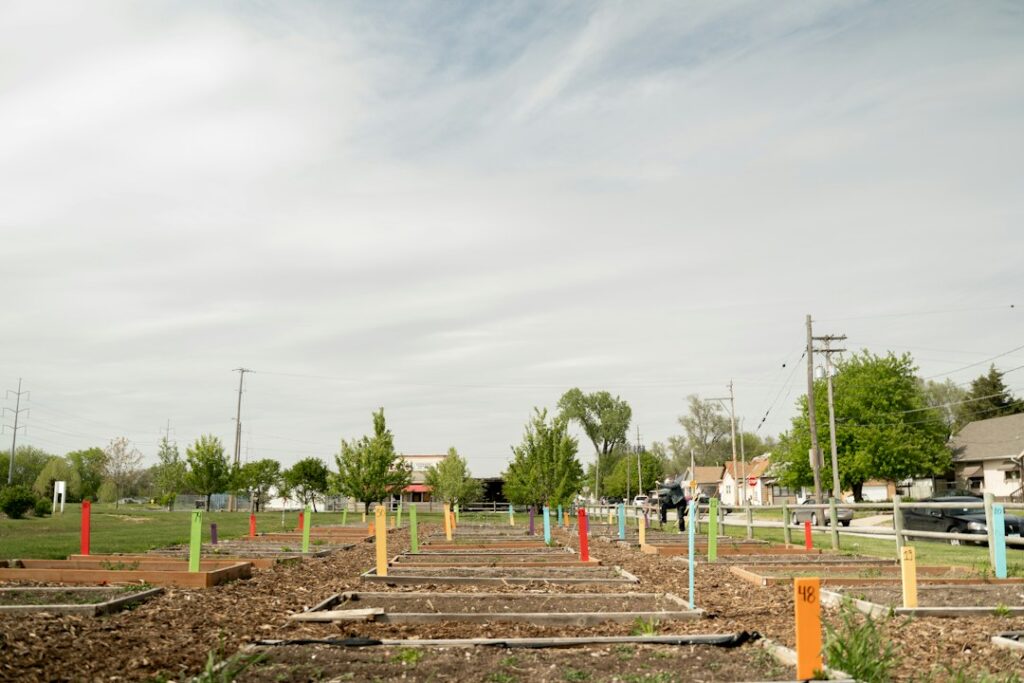
Some communities maintain herb or vegetable gardens. These spaces can provide recreation and sensory stimulation, but they require accessible paths, safe surfaces, shade, pest management, and clear rules about what residents may harvest or eat.
Reducing food waste should not result in less food variety or inadequate portions. Residents should continue to have meaningful choices and access to snacks and hydration.
How can waste and recycling be handled safely?
Assisted living communities produce ordinary household waste as well as medical, chemical, electronic, and personal-care materials. These categories should not be mixed casually.

Paper, cardboard, metal containers, and certain plastics may be recyclable depending on the local program. Batteries, fluorescent lamps, electronics, medications, cleaning chemicals, sharps, and contaminated materials often require separate handling.
Clear signs and conveniently placed containers can make sorting easier for residents and staff. However, recycling bins should not block hallways, exits, elevators, or accessible routes. Staff must also prevent confidential documents from entering ordinary recycling without proper destruction.
A practical waste program focuses first on reducing unnecessary purchases, then reusing suitable materials, recycling what is accepted, and disposing of hazardous items through approved channels.
Do eco-friendly cleaning products improve indoor air quality?
They can, but the label alone does not guarantee that a product is appropriate. Cleaning supplies should be selected for effectiveness, compatibility with surfaces, infection-control needs, and indoor air quality.
Fragrance-free or lower-emission products may reduce irritation for people with asthma, allergies, or chemical sensitivities. Good ventilation, correct dilution, secure storage, and never mixing incompatible chemicals are equally important.
Some disposable products are necessary for infection prevention. Sustainability should not encourage unsafe reuse of items intended for one-time use or reduce cleaning standards in resident rooms, bathrooms, kitchens, or common areas.
What should residents ask about environmental practices?
Residents and families can ask specific, practical questions:
- How is the building kept comfortable during winter cold and summer heat?
- Are water leaks and heating or cooling problems repaired promptly?
- How are food waste, batteries, medications, and cleaning chemicals handled?
- Are outdoor areas shaded, accessible, and safe in wet or icy weather?
- Does recycling actually match the materials accepted in the local program?
- How are emergency power and essential services protected during outages?
- Are residents included in gardening, reuse, or waste-reduction activities?
The answers should explain how environmental practices affect daily life. A strong program is visible in well-maintained equipment, comfortable rooms, sensible waste handling, healthy outdoor spaces, and clear communication—not just in a sustainability statement.
Why does local climate matter?
Seasonal planning is part of responsible assisted living operations. Cold weather can increase heating demand and create icy walking surfaces. Warm, humid periods can raise cooling needs and make hydration, shade, ventilation, and indoor temperature monitoring more important.
Rain, snow, freeze-thaw cycles, and changing ground conditions also affect entrances, drainage, landscaping, and transportation access. Native or climate-appropriate plantings, durable walkways, covered entry areas, and careful snow and ice management can support both environmental goals and resident safety.
For older adults, sustainability is most useful when it quietly improves the daily environment: steadier temperatures, cleaner air, safer outdoor access, less waste, and reliable services throughout the year.
